

Fire Door Inspections and Surveys
MJC provides fire door inspections and passive fire surveys designed to give property owners and Responsible Persons a clear view of door condition, defects and required actions across Plymouth, Devon, Cornwall, Exeter and the wider South West.
Survey Tiers to Suit Your Requirements
We provide several levels of fire door surveying so you can select the amount of detail appropriate for your building, portfolio or compliance position.
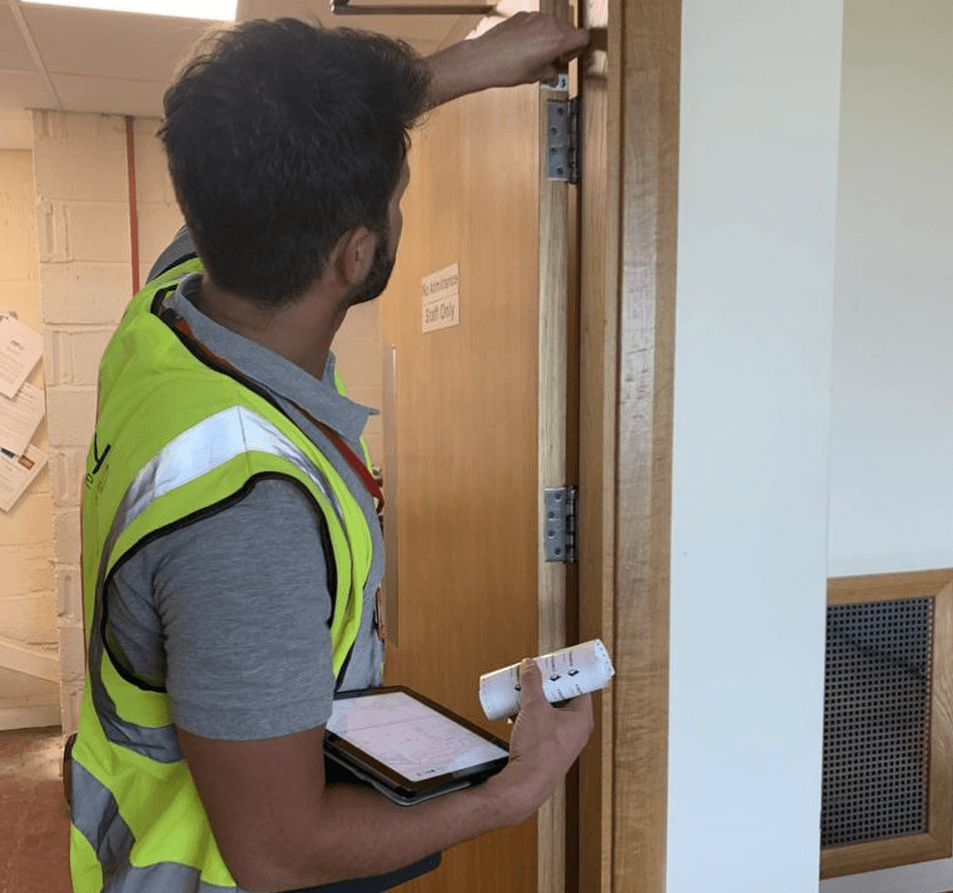
Visual Survey
- Door leaf condition
- Frame condition
- Intumescent and smoke seals
- General visual gaps
- Basic hardware condition (non‑intrusive)
A non-intrusive review of the door leaf, frame, seals and general condition. No hardware is removed.
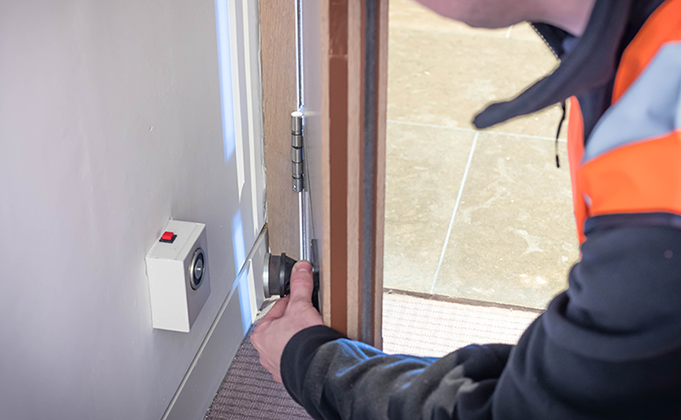
Hardware Survey
- Hinges
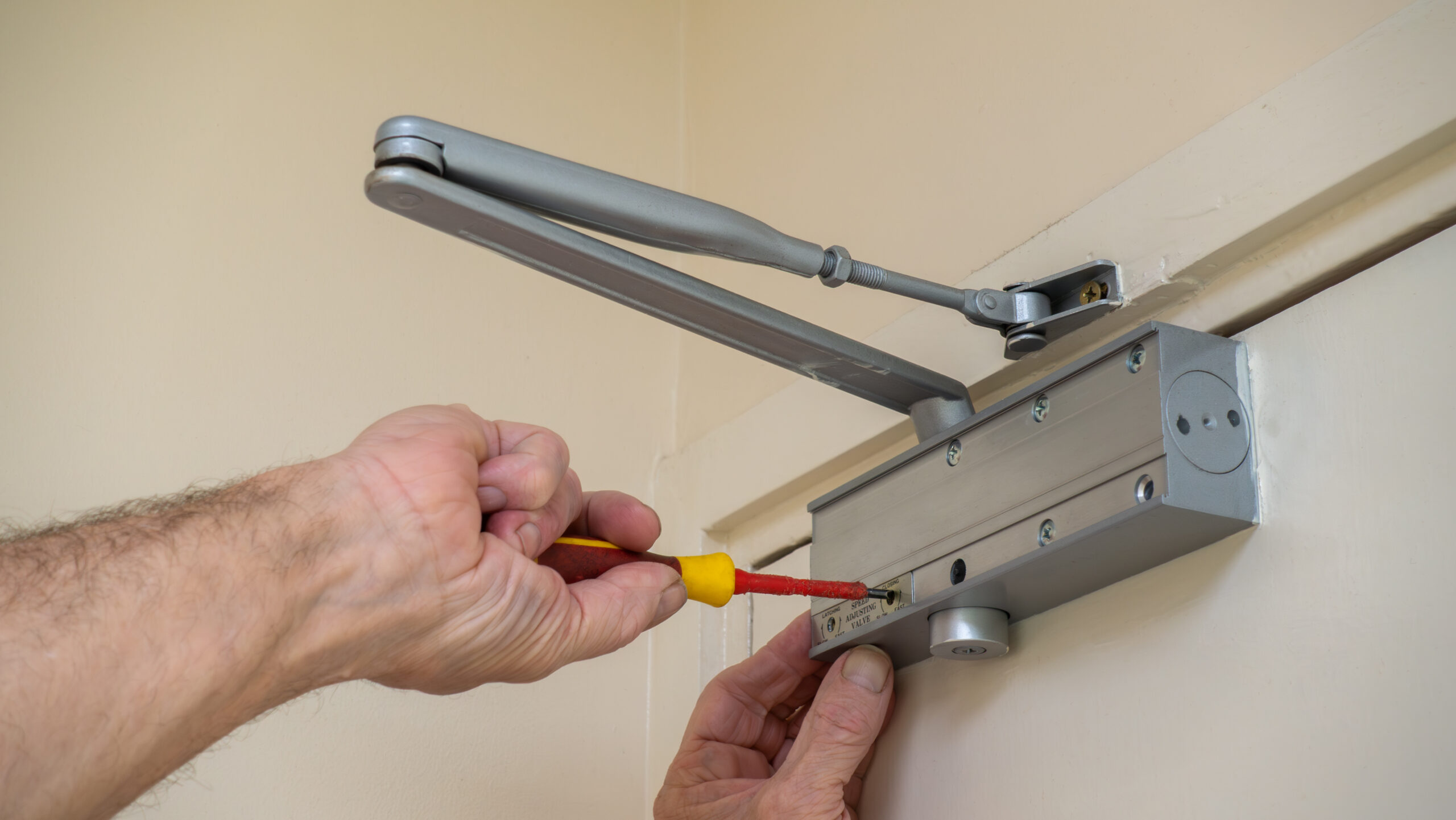
- Closers
- Locks and latches
- Hardware fixings
- Hardware alignment and function
- Intumescent protection to hardware, including hinge pads, lock/keep protection and closer plates
- EN classification markings
- CE / UKCA markings
- Fire-rated hardware identification
A closer assessment of hinges, closers and other components to check fit, function and condition.
Where intumescent protection is present, we review whether the correct materials are fitted to the hardware type and location. Markings such as EN classifications and CE/UKCA identifiers are checked to confirm the hardware’s stated fire-performance category and whether it aligns with recognised fire door standards.
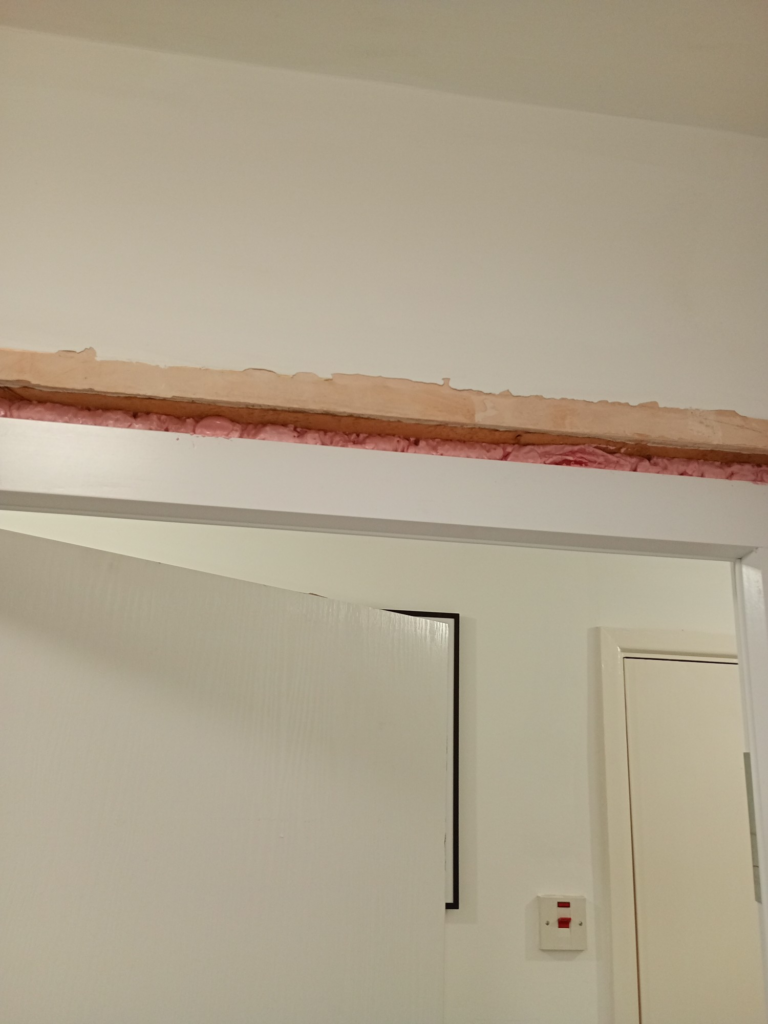
Architrave and Fire‑Stopping Survey
- Architrave removal
- Frame‑to‑wall interface
- Fixings and packers
- Structural gaps
- Fire‑stopping materials present
- Condition and suitability of fire‑stopping
- Continuity around frame
- Evidence of movement or separation
An intrusive inspection behind the architrave to assess the interface between the door frame and surrounding structure, including the presence, condition and suitability of any fire stopping materials.
What Our Inspections Cover
Our surveys assess the key elements that indicate how a fire door assembly is performing in relation to recognised standards. This includes both physical components and identification markers. The level of detail recorded depends on the survey tier selected.
- Certification labels
- Manufacturer plugs
- Door leaf condition and visible damage
- Frame condition and fit
- Intumescent and smoke seals
- Hinges, closers and ironmongery
- Gaps around the door and frame
- Signage and compliance markers
- Clear defect recording with photographic evidence
Field of Application, FOA
When certification labels or plugs are present, we can review the door’s individual Field of Application, FOA.
- FOA confirms what can and cannot be done to that specific door type
- FOA lists components that are permitted, restricted or not allowed
- FOA identifies compatible hardware and intumescent materials
- FOA varies between manufacturers, so every door has its own specification
This information helps determine whether the door and its components remain aligned with the manufacturer’s tested specification, and what remediation can or cannot be carried out according to the door’s individual Field of Application.
Tier-Dependent Recording
Every defect is documented with supporting photographs and a recommended course of action appropriate to the survey tier:
- Visual Survey: non-intrusive observations only
- Hardware Survey: detailed hardware checks, markings and intumescent protection
- Architrave and Fire-Stopping Survey: intrusive checks behind the frame and architrave
Clear, Structured Reporting
Our reports are built to be genuinely useful not just a checklist. Each report includes photographic evidence, clear defect notes and recommended remedial actions, so you know exactly what needs attention and why.
This makes it straightforward to plan remedial works, prioritise urgent issues, or simply keep a clear record for your fire safety file.
Who Needs a Fire Door Survey
Fire door surveys support duty-holders responsible for maintaining fire-safety measures in a building, as required under UK fire-safety legislation.
Landlords and Letting Agents
- Rental properties
- HMOs
- Inspection evidence used within fire-risk assessments
Managing Agents and Block Managers
- Communal fire doors
- Escape routes
- Riser cupboards, electrical/gas utilities and plant rooms
- Building-wide inspection records
Care Homes, Schools and NHS Settings
- High-occupancy buildings
- Supporting fire-risk assessment requirements
- Documented inspection evidence
Councils and Housing Associations
- Larger portfolios
- Mixed-use buildings
- Statutory record-keeping
Responsible Persons
Individuals or organisations with legal responsibility for maintaining fire safety measures in a building. This can include:
- Building owners
- Freeholders and residential leaseholders where they have control over part of the premises
- Landlords
- Employers
- Managing agents
- Facilities managers
- Anyone with control over the premises or part of the premises
- Legal duty to maintain fire-safety measures
- Inspection evidence used within fire-risk assessments
- Clear records of door condition
FAQs
Visual checks the door and seals without removing hardware. Intrusive checks hinges and closers. Architrave inspection looks behind the frame at the surrounding structure.
Photographic evidence, clear defect notes, and recommended remedial actions for each door.
Yes, you can attach an existing FRA or survey with your enquiry so we can work from what’s already been identified, as long as the document is detailed enough for us to quote.
Yes, if defects are found we can quote for the repairs directly from the survey findings.
This depends on your building type and use a survey is the simplest way to get a clear answer.
Related Services
Fire Door Installation
Maintenance and Remedial Works
Residential Fire Doors
Commercial Fire Doors
Not Sure if You Need a Survey?
Get in touch to discuss your requirements.